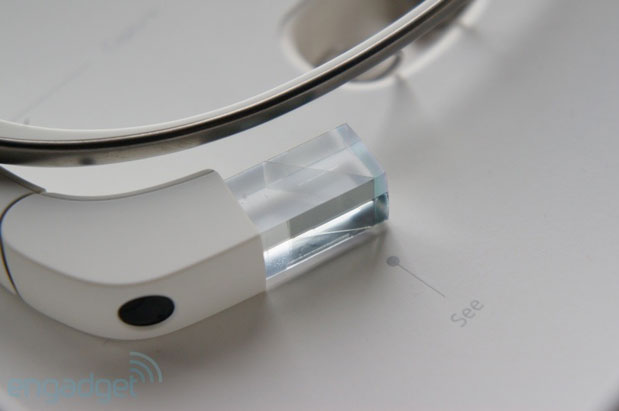
There’s an article on Engadget that explains why the first command for Google Glass is “OK, Glass.” I must say, I did wonder why. It is supposed to be “functional and subtle enough not to embarrass the user in public.” Full story here.
Workplace Learning in the Digital Age
Dr. Donna Murdoch
There’s an article on Engadget that explains why the first command for Google Glass is “OK, Glass.” I must say, I did wonder why. It is supposed to be “functional and subtle enough not to embarrass the user in public.” Full story here.
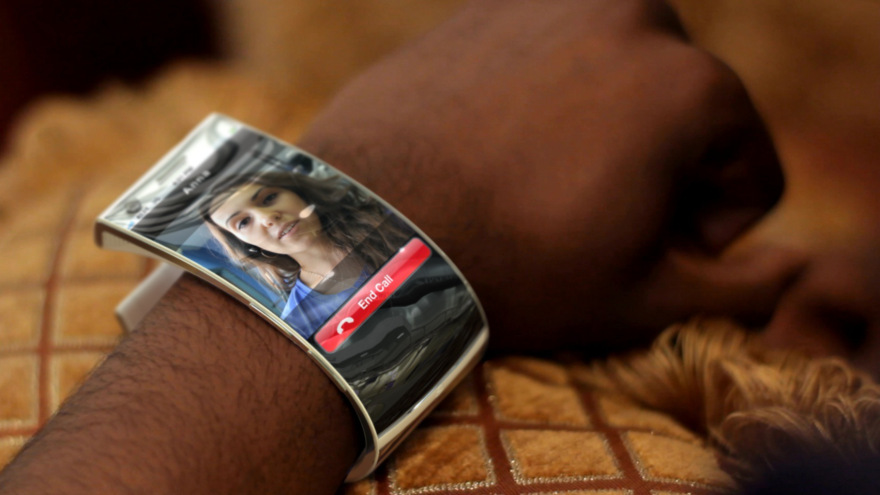
This article, from Quartz, is actually called “What I learned from researching almost every single smart watch that has been rumored or announced” and it is not about what you would think – it’s about the unspoken holy grail of portable consumer electronics. Battery power. There is chart at the link showing how battery capacity has increased since 1990 vs. how wireless transfer speed, CPU speed, and other technologies have progressed over the same period of time. Battery life extension technology has gone almost nowhere while capacity for everything else tech continues to get better and better. The limit of capability, in more and more cases, will be how long a battery will last.

The Verge posted an interview with Sam Schillace, who is “probably” the father of Google docs. He founded Writely, which was acquired by Google. Interesting to read about the genesis and evolution of what, how, and why we use collaborative document editing today. Article here.

In honor of the 4th, VentureBeat highlights great innovative technology made in the USA. They cite Tesla, Makerbot (pretty cool,) Apple’s new Mac Pro, Blendec (a blender? maybe….,) and Kynex. Here’s the article with lots of links so you can go buy them.

More about “the internet of things.” Hubs and sensors to automate your home – this author finds the three devices that give him the most “bang for his buck.” Great reading as this is where we’re going in the near future – at GigaOm.

“When people begin interacting with hundreds of connected electronics everyday, they will benefit from a personal cloud of information that follows them from place to place.” Article on GigaOm describes what we now call The Internet of Things – and of course we love the convenience and magical things it means to our lifestyles. But given recent developments, do we truly like to use that infrastructure to be a part everything, even as simple as turning on a light or setting an alarm clock? Interesting to think about ……
As the article says, “not too smart and not too dumb but just right.” Whatever that actually means (very subjective.)
“WigWag has created a sensor and hub package that makes automating and playing with your connected devices more fun. But will its interface be the recipe for consumer adoption of the internet of things?” Article here at GigaOm.
I used to think using my iPhone to turn on/off HVAC or dim lights via connected devices was TOO connected, even for me. Then I noticed a recipe on IFTTT that said “flash my bedroom lights twice when I get a text that says ‘arrived safely'” and I thought about it in a whole new way.
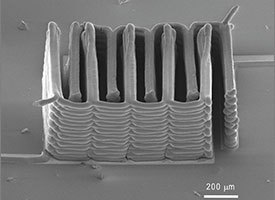
“The tiny interlocking combs of specialized ink could power human implants, drones and cameras. Each microbattery is thinner than a human hair.” Amazing article in GigaOm.

First time I’ve read this blog, but a good point is made. “Apple will never again come out with a product as transformative as the iPhone. Google will never build anything more useful than its existing search engine, and it will never discover another business model as lucrative as search-based advertising. And Facebook may keep growing until every person on Earth with a computing device is a member, but it won’t ever be anything more than a place we share photos and links.”
Also, in agreement with his opinion that it is probably the reason many of us listen so carefully to everything Larry Page, Tim Cook, or Mark Zuckerberg say. What will be the NEXT big thing? Article here at XConomy.
“Listening to enjoyable music activates reward centers deep inside the brain…” Interesting Big Idea from The Big Think.
 Workplace Learning in the Digital Age